What materials were used to make sculptures
I am a copywriter at the Museo del Mamut de Tultepec, Mexican and a fan of paleontology and the history of our planet. The question about the materials used in sculpture spans centuries, from pieces carved in stone to contemporary installations with resins and steel.
In this text I organize materials, techniques and contexts, with examples that cross archaeology, art and conservation. I seek a clear, rigorous and approachable tone, inspired by journalistic tradition, so the reader can see the continuity between ancient practices and current processes.
The earliest sculptures, made by prehistoric communities, used what the immediate environment offered: stone and bone. These pieces fulfilled ritual, symbolic and utilitarian functions, and many have reached us as concrete witnesses of the past.
Stone, the immovable foundation of sculpture
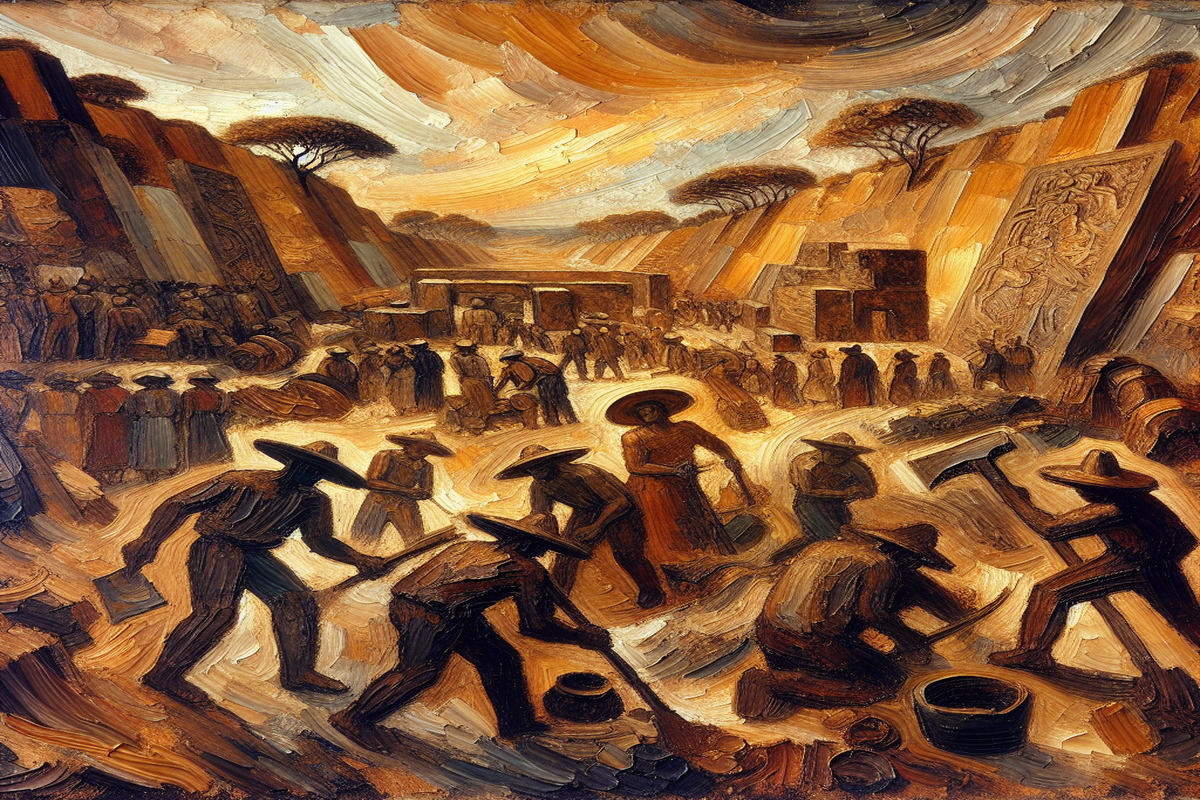
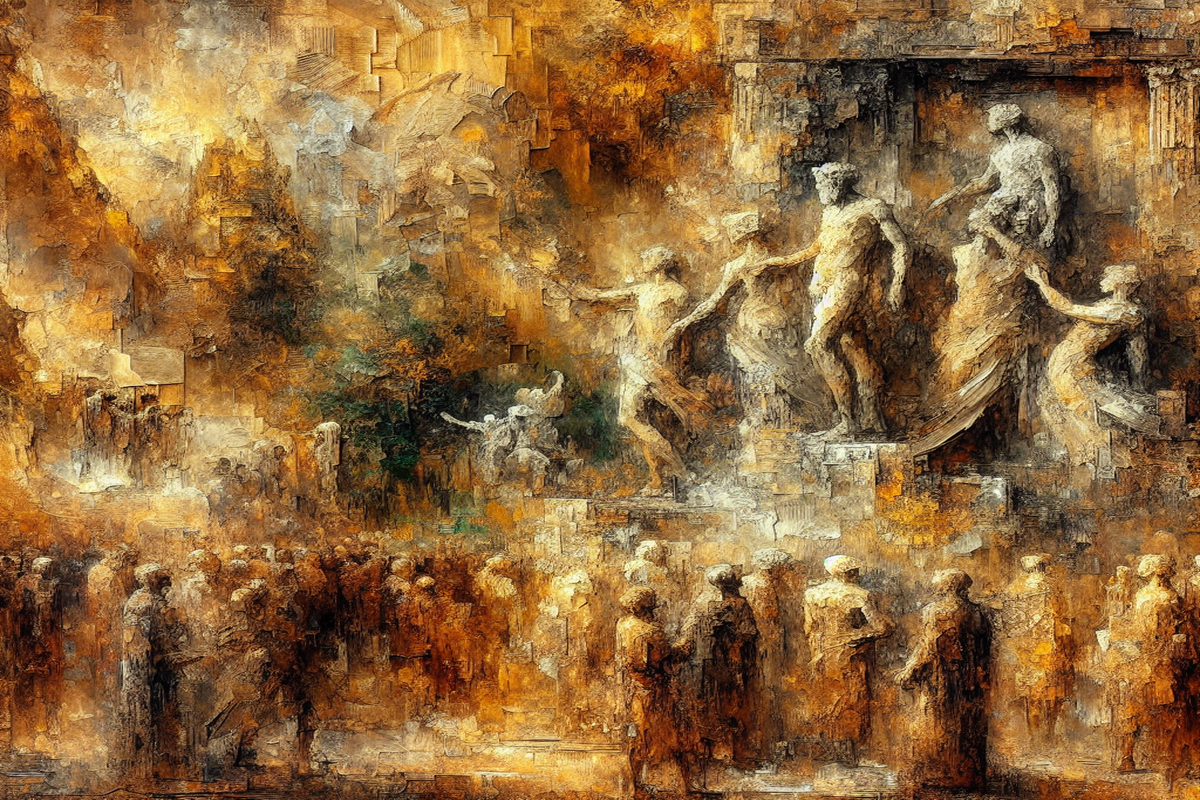
Stone was the most durable raw material, used in forms as diverse as stelae, reliefs and monumental statuary. Granite, basalt, limestone and marble responded to availability and the symbolic value for each culture.
Carving stone requires abrasive and percussion tools, patience and knowledge of the grain. The result can survive millennia, which is why stone is key to understanding ancient civilizations, similar to what we analyze in fossils, remains that reveal the past.
Clay and ceramics, shaping to tell stories
Clay allowed for rapid modeling, from small figurines to large vessels. Fired in fire it gained durability, and polychromy added narrative layers. Ceramics are common in archaeological contexts because of their ability to be preserved.
In Mesoamerican civilizations, ceramics became a support for mythical narratives, and their study complements osteological and fossil findings, like those we discuss in paleontology.
Wood, a living and vulnerable material
Wood was common, easy to work and versatile, used in masks, figures and ritual furniture. Its vulnerability to climate explains why few ancient wooden sculptures survive, except in exceptional conditions.
The symbolic value of wood and its craftsmanship remain present in local traditions, and in Tultepec wood coexists with other trades, including pyrotechnics, an art we have documented in pyrotechnics, an art in constant evolution.
Bone, ivory and shells, sculptures of proximity
Bones and ivories allowed fine detail and portable objects. In contexts of megafauna, the reuse of bones from large animals fed artistic production and lithic technology.
The remains of large mammals, like mammoths, offer both material and inspiration for reconstructions, a topic we address in the woolly mammoth, exploring life and extinction.
Metal, the revolution of casting
Metals transformed sculpture with casting techniques, especially lost-wax casting for bronzes. Gold, silver and copper expanded aesthetic possibilities, and the durability of bronze facilitated the conservation of monumental works.
Mastery of metal implied specialized workshops, trade networks and technological advances, elements that connect with the history of the communities that produced ritual and utilitarian objects.
Techniques, from carving to casting
Carving involves subtracting material, modeling adds it, and casting reproduces with accuracy forms modeled in wax or clay. Each technique requires precise tools, knowledge of temperatures and finishing processes that define the final character of the piece.
The choice of technique usually responds to scale, use and symbolic intent, factors present both in cave art and in public sculpture.
Pigments and finishes, the complete image
Ancient sculptures were rarely “white”; polychromy and coatings added color and texture. Mineral and organic pigments were applied to stone, wood and ceramics, and patina on metals became part of the aesthetic expression.
The study of pigments provides information about trade routes and ritual practices, as reflected in research on cave paintings and ancient art, a topic we have covered in cave paintings.
Modern materials, experimentation and scale
Since the 19th century, sculpture has incorporated iron, steel, concrete and cast iron—materials that allowed large-scale pieces and new formal architectures. In the 20th century synthetic resins, polyesters and mixed plastics appeared, expanding effects and durability.
Contemporary materials dialogue with the past, and museums preserve works made with processes that demand new conservation strategies.
Conservation, the challenge of mixed materials
Conserving sculptures involves understanding chemistry, climate and original techniques. Mixed materials pose challenges because each component ages differently. Restoration seeks to stabilize, document and respect the original intent.
At the Museo del Mamut we work by linking paleontology and conservation, so that reference scientific pieces and cultural objects reach the public in optimal conditions.
Context, function and materiality
Material is not neutral; it communicates status, cost and symbolism. The use of gold or bronze signals power, simple clay can be a vehicle for collective narratives, and the reuse of megafauna bones connects artistic practices with subsistence and memory.
Reading materials helps reconstruct ways of life, as when we combine fossil data with cultural evidence, a line of work that complements articles like discovering extinct megafauna.
Sculpture and education, objects as bridges
In museums, sculptures serve to teach techniques, contexts and historical processes. Reproducing mammoth forms or recreations of extinct fauna requires knowing appropriate materials to represent textures, volumes and movement.
Our workshops aim to bring traditional and contemporary techniques closer to the public, without losing scientific rigor or respect for original materials.
Local examples, memory and craft
In Tultepec, where tradition and spectacle coexist, the relationship with artisanal materials is alive. Pyrotechnics and other local practices show how crafts transform raw material into objects loaded with meaning, and that knowledge connects with popular sculpture.
Museum documents and exhibitions record these intersections, and the conversation between art and craft remains alive in our activities.
Conclusion, materials that tell stories
The materials used to make sculptures are tangible records of techniques, economies and beliefs. Stone, clay, wood, bone, metal and modern materials converse with one another, and their study illuminates everyday life and the grand narratives of the past.
I invite you to visit the Museo del Mamut de Tultepec, see our pieces and delve deeper into the relationship between science and art. For practical directions on how to get here, consult how to get to the museum.