What was the climate like where mammoths lived
I am a copywriter at the Museo del Mamut de Tultepec, Mexican and a paleontology enthusiast. I am interested in understanding how climate shaped mammoth life, their adaptations and their eventual disappearance. This text synthesizes the scientific evidence, paleoclimatic reconstructions and what that means for our current landscapes.
Global climate during the Pleistocene
Mammoths lived mainly during the Pleistocene, a time marked by glacial and interglacial cycles. Large portions of the Earth were covered by ice and permafrost during glacial maxima, while intermediate periods brought milder and wetter climates. Those swings determined food availability and migration routes.
Landscapes and biomes they inhabited
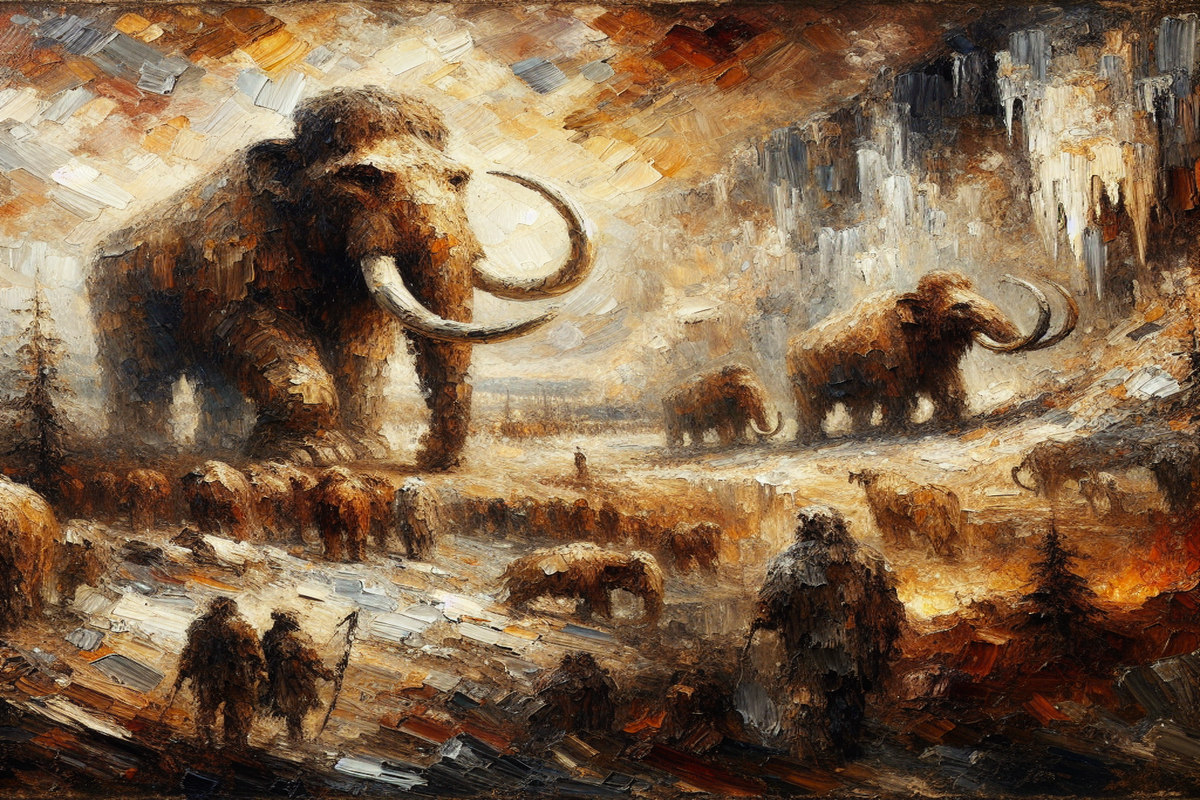
Mammoths are associated with the cold steppe, a grassy plain that prevailed at high latitudes. There, grasses and low shrubs grew—habitat that supported large herds. In warmer times, some mammoths occupied open forests and mixed zones, showing these proboscideans’ ecological plasticity in the face of climate change.
Evidence — how we know this
Paleoclimate reconstruction is based on fossils, pollen, isotopes and sediments, tools that explain ancient environments. We have already discussed fossils, remains that reveal the past and dating techniques for fossils, methods that allow placing finds in time with surprising precision.
Isotopic records and sediments
Oxygen isotopes in bones and teeth, together with sediment layers, reveal past temperatures and precipitation. Mammoth teeth show signals of seasons, dietary variations and episodes of stress. Tomography and meticulous study of remains allow reading those stories, as in studies of the woolly mammoth.
Adaptations to cold
Mammoths developed traits for cold environments, such as dense fur, a subcutaneous fat layer and small ears, which reduce heat loss. Their specialized molars ground coarse plant fibers, suited to a grass-based diet. Those adaptations are evidence of persistent cold climates in many regions where they lived.
Variation by species and region
Not all mammoths lived in polar climates. Species such as the Columbian mammoth inhabited lower latitudes in the Americas, adapting to milder climates and demonstrating ecological diversity. Comparing species helps understand how climatic variability favored or constrained each mammoth type’s distribution.
Seasonality and migration
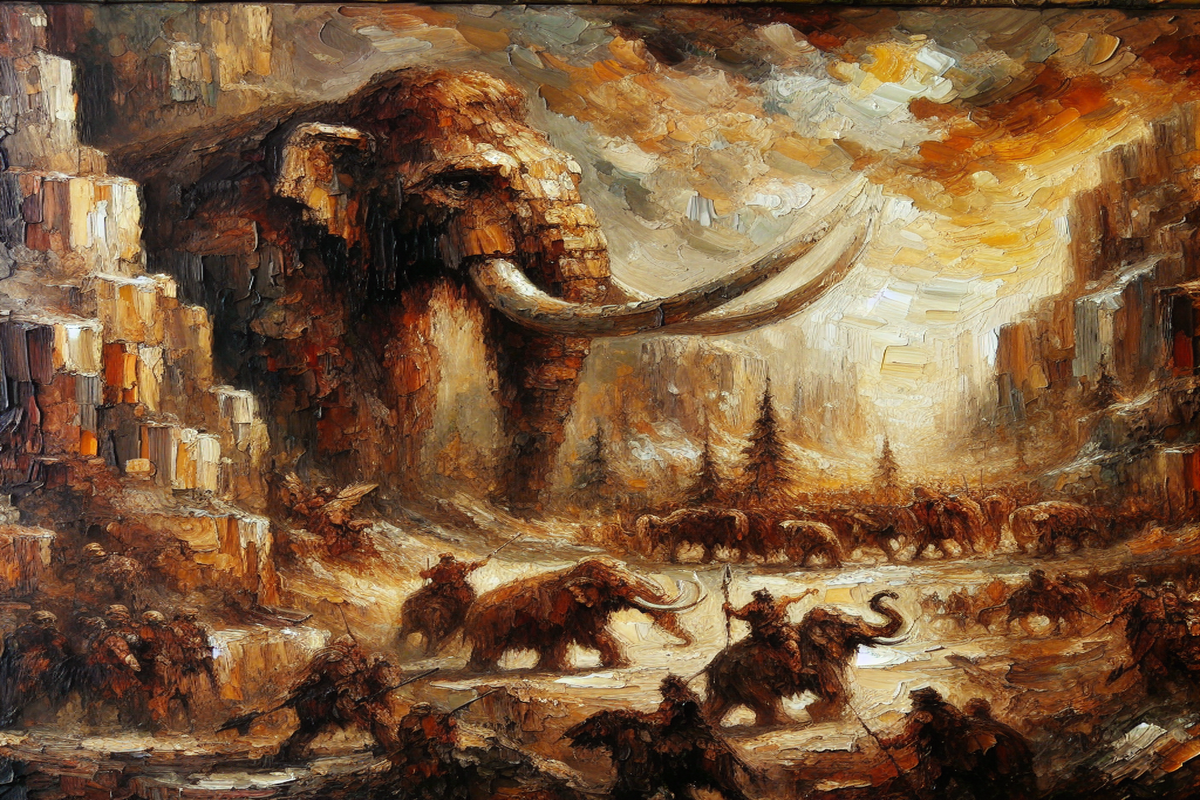
Seasonal changes influenced migratory patterns, reproduction and resource availability. During long winters, herds sought areas with shallower snow or open rivers, moving along grassland corridors. Migration routes responded to climatic pulses, human pressure and food availability.
Impact of permafrost and its retreat
Permafrost preserved exceptional remains, such as complete mammoths found in Siberia with tissue and hair. That freezing provided access to details impossible to obtain from conventional fossils. With current climate change, permafrost retreat exposes new finds but also accelerates the degradation of those materials.
Final climatic changes leading to extinction
The end of the Pleistocene brought rapid warming, loss of steppe habitat and changes in food sources. Those factors, combined with human pressure from hunting and landscape alteration, contributed to population declines. The debate over causes remains active, and the evidence points to a complex interaction between climate and human activity.
Useful comparisons — what we’ve already explored
At the museum we analyze related topics, such as the lifestyle of mammoths and the relationship between megafauna and environments, as well as contextualizing fossils within geological and cultural processes. We have also addressed paleontology as a discipline that integrates multiple lines of evidence.
Climate and diet — records in teeth
The chemical composition of teeth indicates the types of plants consumed and seasonal changes in diet. During cold phases grasses predominated, while in warmer periods plant diversity in the diet increased. That information allows reconstructing not only temperature but also food availability and quality.
Mammoths in present-day Mexican territory
In the territory that is now Mexico, remains have been found showing that some mammoths thrived in varied climates, from temperate plains to open zones. Local research helps understand interactions between megafauna and prehistoric humans in this region, an aspect we discuss in the museum and in our exhibitions.
Implications for the present
Studying how climate affected mammoths offers lessons about species’ vulnerability to rapid change. The combination of environmental alteration and human pressure can accelerate extinctions. These parallels invite reflection on conservation and ecosystem management today.
Museums, research, and outreach
At the Museo del Mamut de Tultepec we combine outreach and science, bringing research to diverse audiences. Exhibitions display remains, reconstructions and explanations about ancient climate, connecting with topics like rock art that documented human interactions with megafauna.
Conclusion — a living past
The climate where mammoths lived was dynamic, marked by glacial cycles, regional variations and rapid transitions. These conditions shaped mammoths’ form, behavior and fate. Understanding that past helps us interpret life’s fragility and resilience in the face of environmental change, a central theme in our galleries and projects.